
Best Seasons for Interior Painting
Interior painting projects can be scheduled throughout the year, but certain times offer advantages in terms of convenience and quality. Understanding seasonal factors and environmental conditions can help determine the optimal window for interior paint applications.
Spring offers moderate temperatures and higher humidity levels, which can aid in proper curing of paints. It is often considered an ideal season for interior painting due to longer daylight hours and generally stable weather conditions.
Summer provides warm temperatures, but high heat and humidity can prolong drying times and affect paint adhesion. Proper ventilation and climate control are essential when painting indoors during this season.
Fall presents cooler temperatures and lower humidity, making it a favorable time for interior painting. Scheduling in autumn can also avoid peak holiday seasons, reducing project disruptions.
Winter's cold temperatures and dry air can hinder paint drying and curing processes. However, with proper heating and humidity control, interior painting can still be successfully completed during this season.
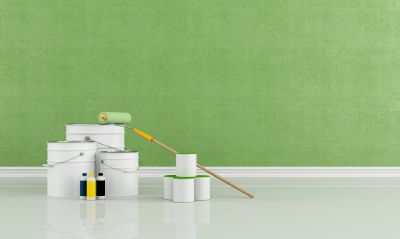
Ways to make Interior Paintings work in tight or awkward layouts.
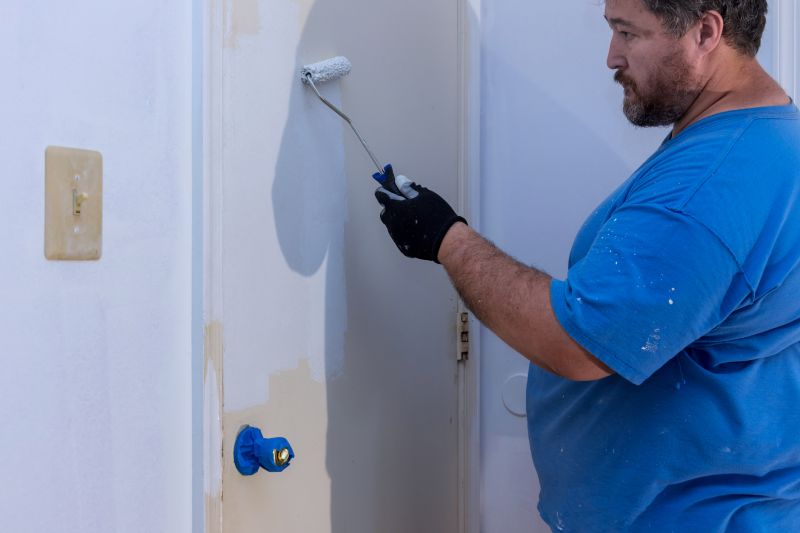
Popular materials for Interior Paintings and why they hold up over time.
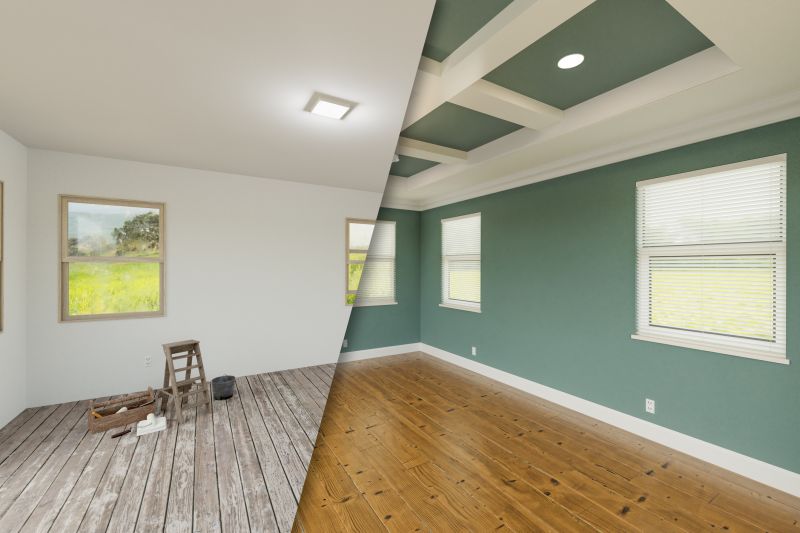
Simple add-ons that improve Interior Paintings without blowing the budget.
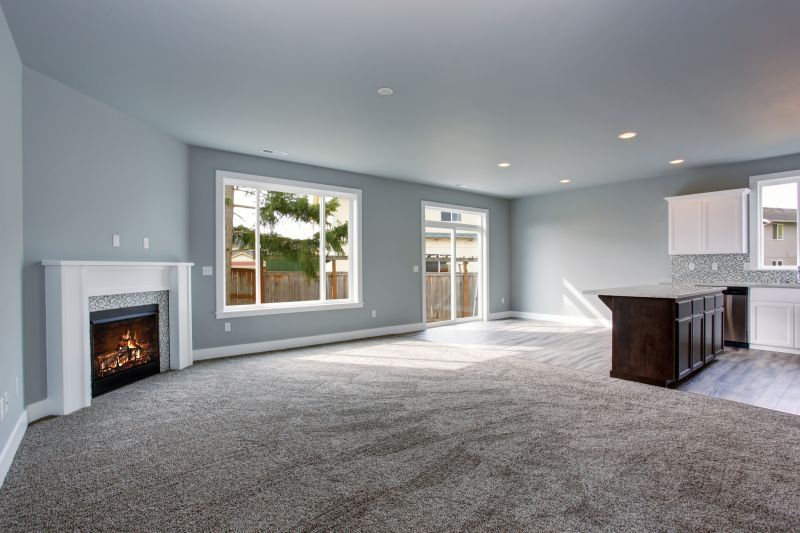
High-end options that actually feel worth it for Interior Paintings.
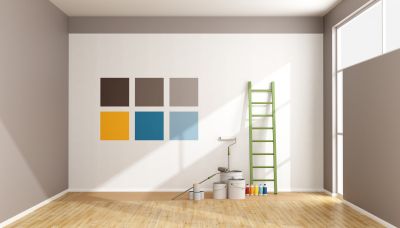
Finishes and colors that play nicely with Interior Paintings.
Little measurements that prevent headaches on Interior Paintings day.
| Season | Ideal Conditions |
|---|---|
| Spring | Moderate temperatures, higher humidity, longer daylight |
| Summer | Warm temperatures, potential high humidity, need for ventilation |
| Fall | Cooler temperatures, lower humidity, stable environment |
| Winter | Cold temperatures, dry air, requires climate control |
Interior paintings contribute significantly to the aesthetic and ambiance of a space. Proper timing ensures the longevity and appearance of the paintwork. Seasonal conditions influence drying times, adhesion, and finish quality, making scheduling an important consideration. Statistics indicate that painting during optimal conditions can extend the lifespan of the paint by up to 20%, reducing the need for frequent touch-ups.
Choosing the right time for interior painting can also minimize disruptions and allow for better preparation and cleanup. When environmental factors are favorable, the process tends to be smoother, and the results more durable. It is recommended to plan projects during seasons with moderate temperatures and humidity levels for best outcomes.
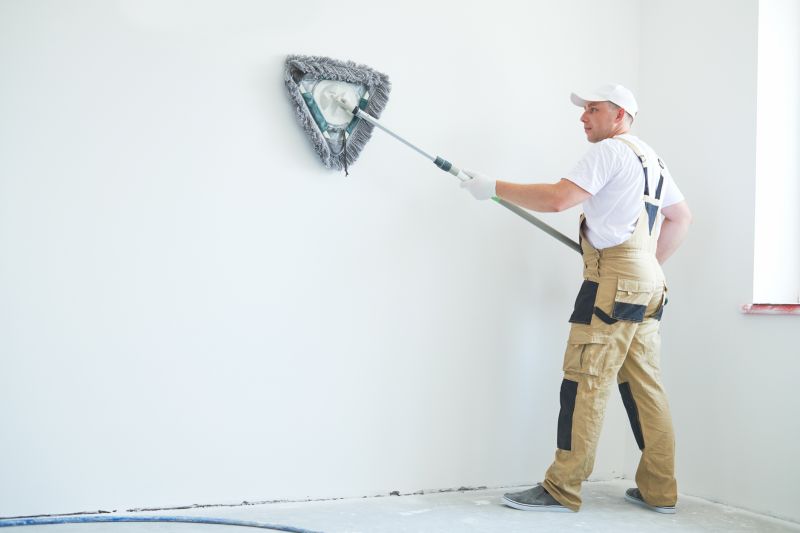
A 60-second routine that keeps Interior Paintings looking new.
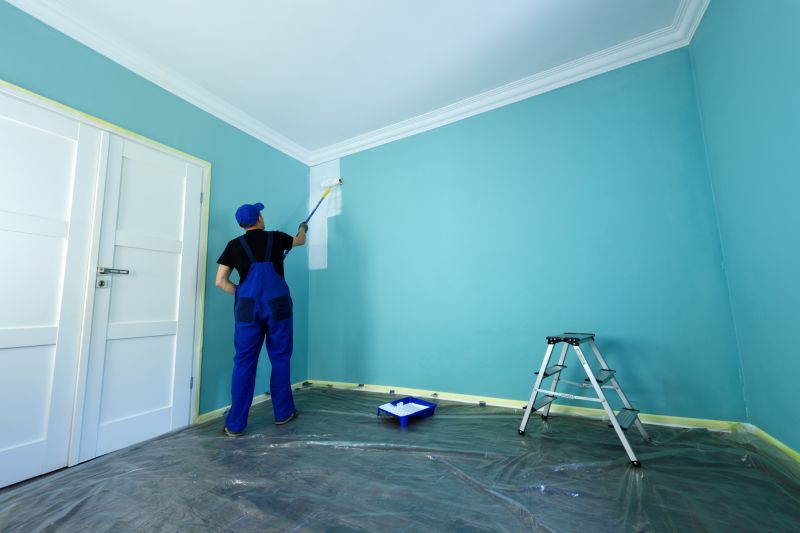
A frequent mistake in Interior Paintings and how to dodge it.
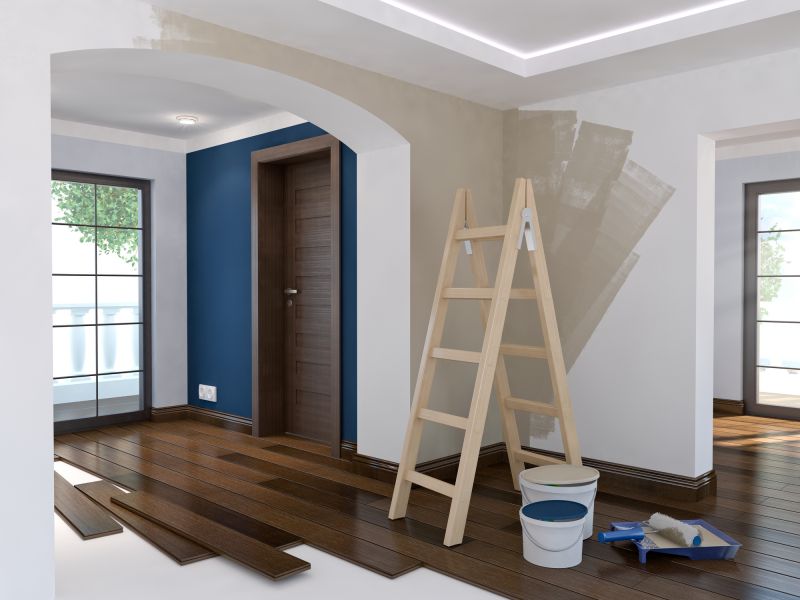
Small tweaks to make Interior Paintings safer and easier to use.
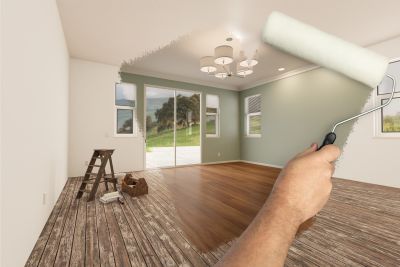
Lower-waste or water-saving choices for Interior Paintings.
Individuals interested in scheduling interior painting are encouraged to contact for further information. Proper timing and preparation can greatly influence the final appearance and durability of the paintwork, ensuring a satisfying result.